During my cinema studies in Montreal, I was captivated by the seamless flow of time, sliced into 24 frames per second. Eventually, I began pursuing the 'singular moments' within that stream. While journalism taught me to seek the truth, analog photography taught me the art of waiting for it.
In the digital world, Shutterlag is considered a flaw. In mine, it is a deliberate pause for thought. That final split second formed in my mind before light touches the film... In this post, I will share not only the photographs but also the human stories and chemical processes behind these 'delayed moments.
First Exhibition: Unstaged Realities
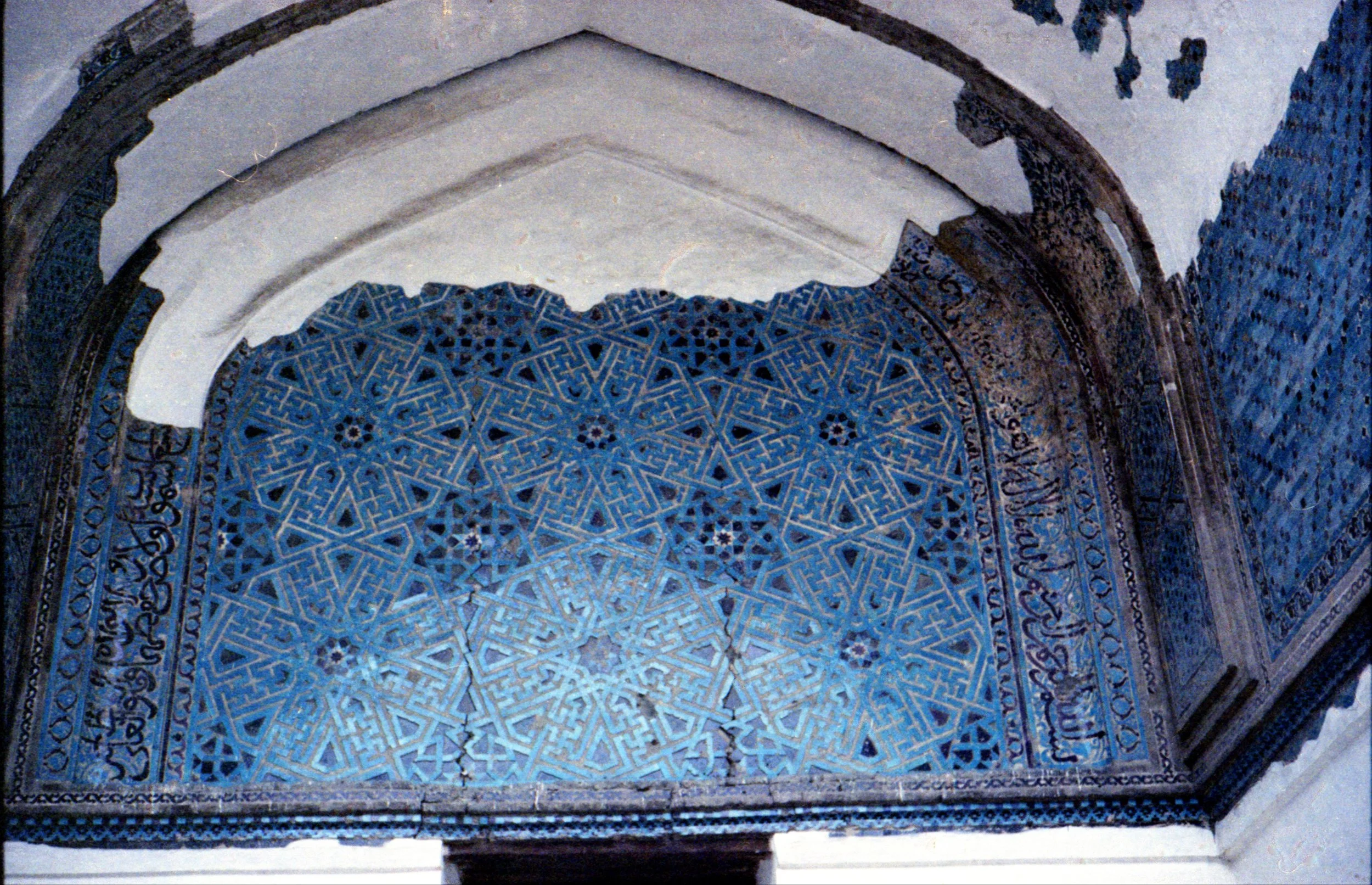
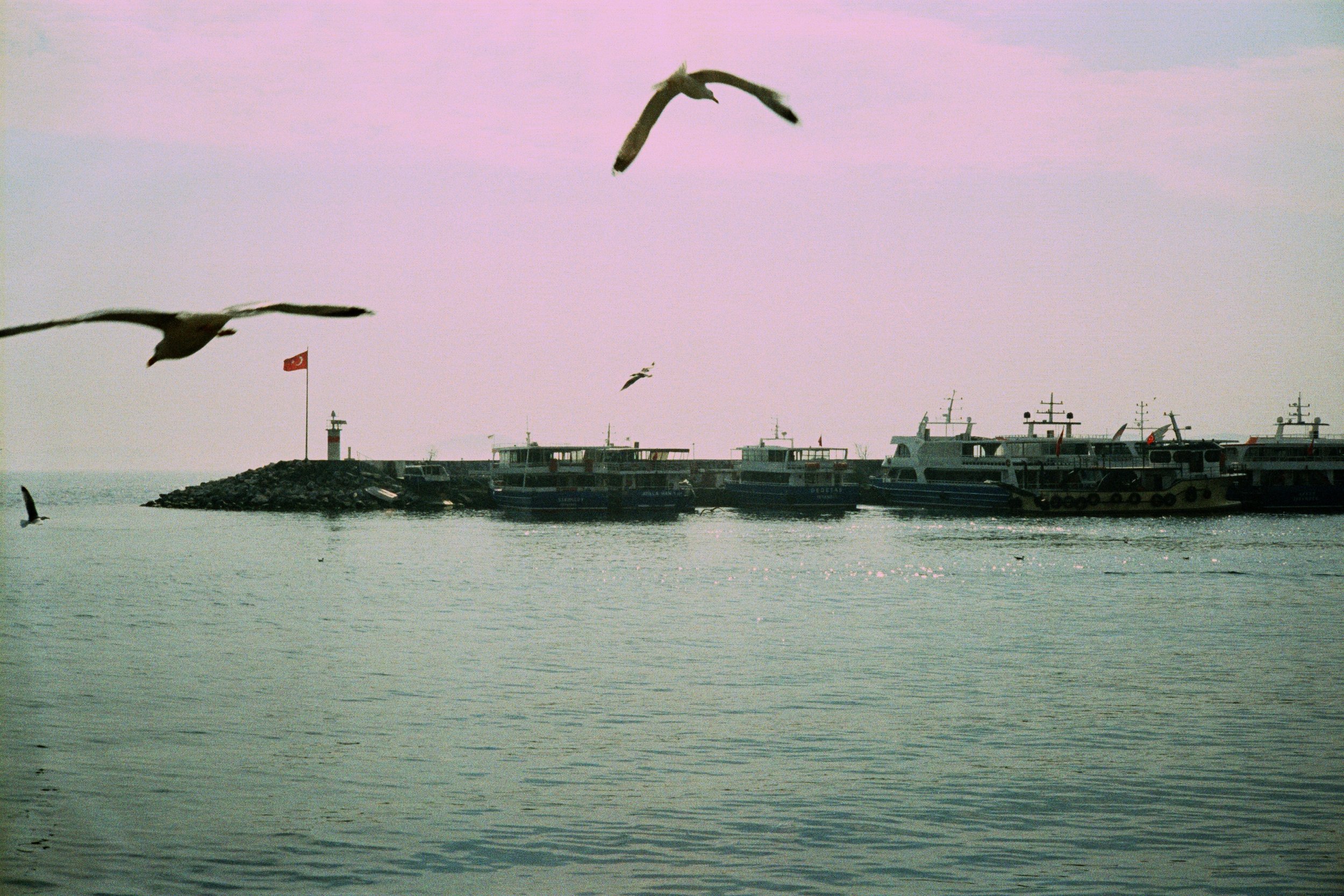
In my debut collection, I turned a 35mm lens toward three different faces of Anatolia.
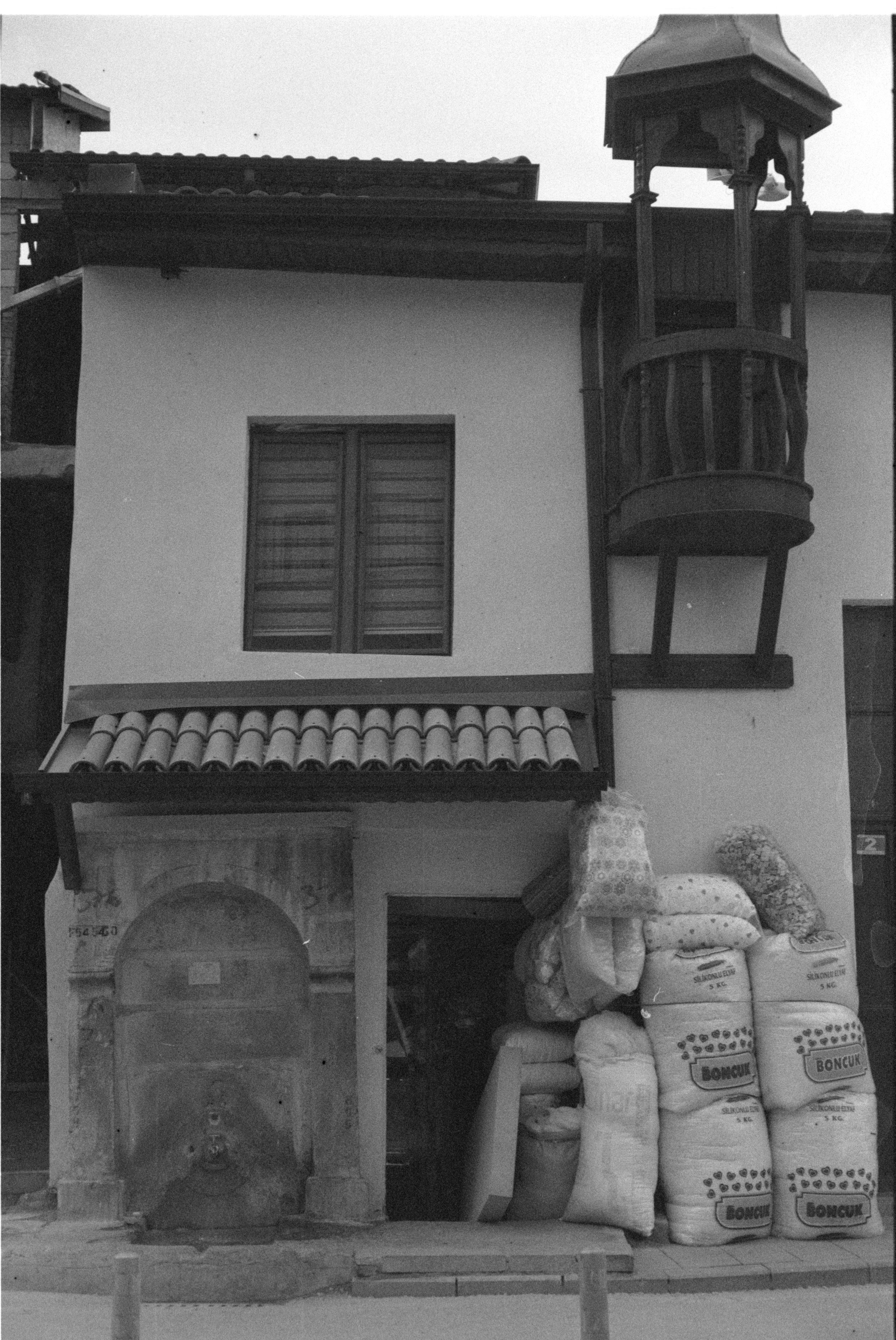
Stitches of the Sanctuary: The quilt-maker’s workshop nestled in the mosque's shadow reminded me of the sanctity of craftsmanship. This silent labor in the heart of a clamorous city mirrors the very patience of analog photography.
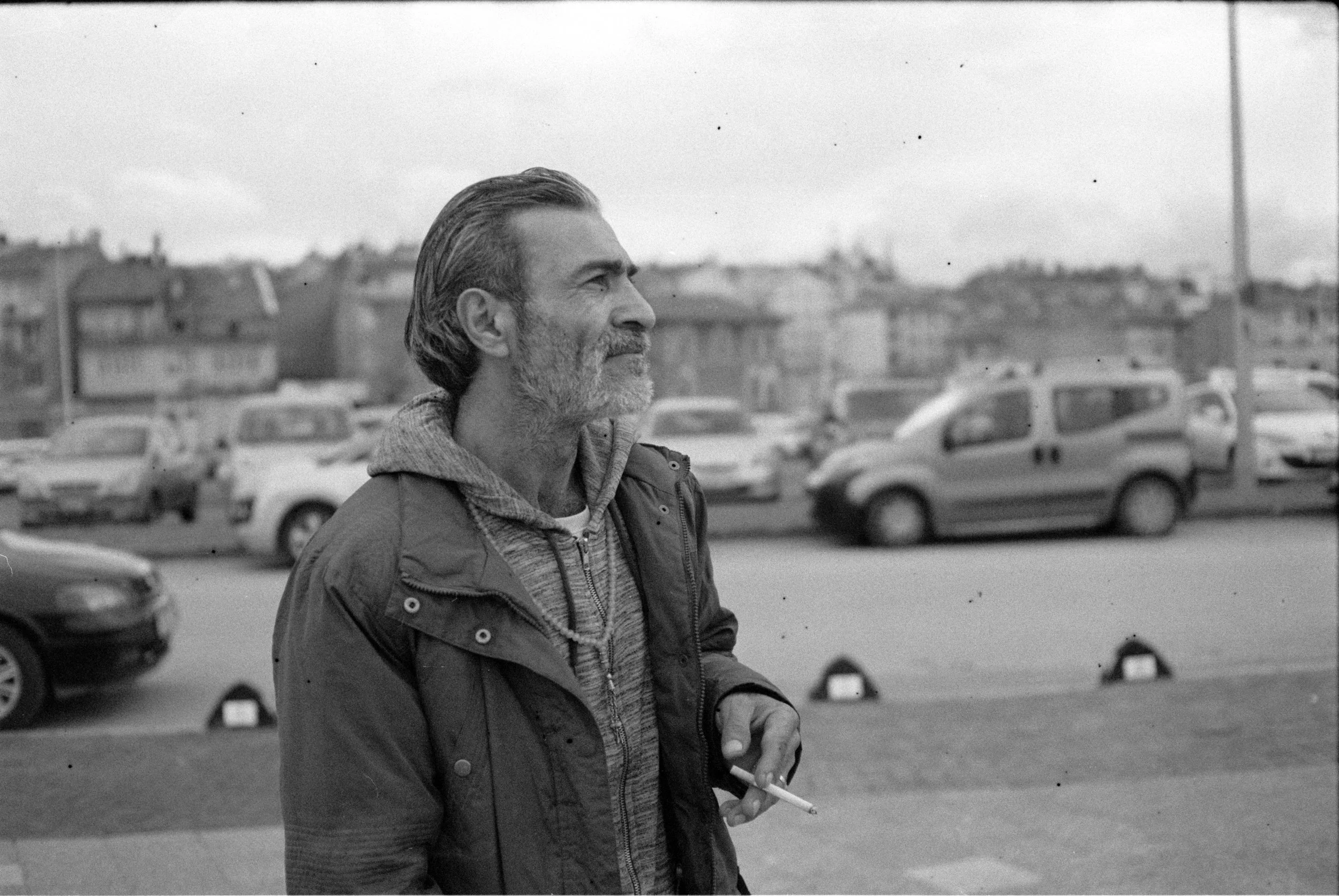
2. Ferdi: You cannot see the limp in his stride toward the shelter within the frame. Yet, in the way he holds his cigarette, you can feel the unwavering dignity of a man sustained by social support. Ferdi is the unstaged hero of the street.
3. Archaeology Museum: A figure etched in stone meets a frame recorded in silver nitrate... This silent dialogue I have established between two different eras of documentation brings the series to a close.
Darkroom Notes
Why did I choose the slowness of analog over the speed of digital? Because the uncertainty of the development process is the most honest metaphor for life. The errors I encountered in my early darkroom sessions were, in fact, lessons taught by light itself. I will delve into more diverse topics in this section in the coming weeks.
Post: Truth Hidden in Silver & A Delayed Shutter
Thank you for being a part of this journey. If you would like to support this witnessing and contribute to the film costs of my upcoming 6x6 medium format shoots, you can 'buy me a roll of film' via Ko-fi.
You can explore my full gallery on Irys here.
Looking forward to meeting you during Istanbul’s blue hours.
Mustafa Öcal
Journalist & Analog Storyteller